
Simple Ways to Reduce Noise at Home for a Quieter Living Space
qiwalao.pro >> Home Improvement>>Noise Reduction>> Simple Ways to Reduce Noise at Home for a Quieter Living Space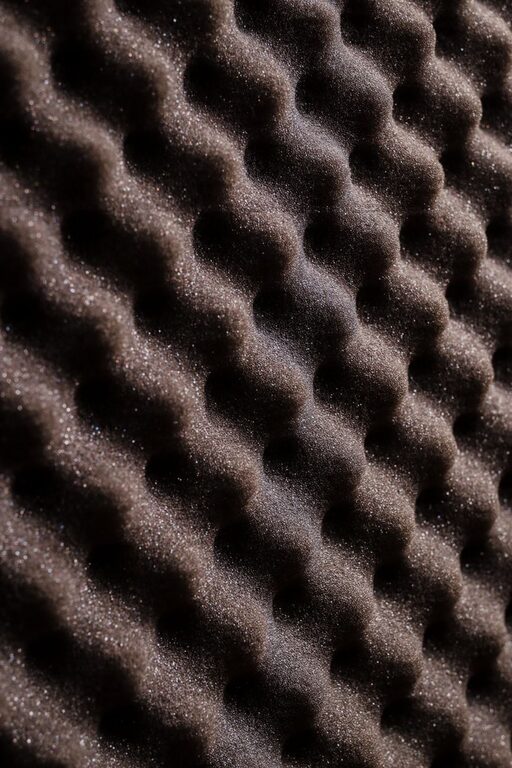
Simple Ways to Reduce Noise at Home for a Quieter Living Space
Creating a calm and quiet home environment is something many of us desire, especially in busy neighborhoods or apartment buildings. Excessive noise can be disruptive, affecting your ability to relax, work, or sleep. Fortunately, there are several simple and effective ways to reduce noise at home without the need for costly renovations. In this post, we’ll explore practical tips and tricks to help you enjoy a quieter living space.
Understanding Noise Sources in Your Home
Before diving into solutions, it helps to understand where noise might be coming from. Common sources include:
– Traffic and street noise
– Loud neighbors or shared walls
– Household appliances and electronics
– Footsteps or movement within the home
– Outdoor sounds like pets, lawnmowers, or children playing
By identifying the main noise contributors, you can better target your noise-reduction efforts.
Easy Ways to Reduce Noise Indoors
1. Use Soft Furnishings to Absorb Sound
Hard surfaces like tile, wood, and glass reflect sound, making rooms noisier. Adding soft materials can absorb sound waves:
– Place area rugs or carpets on floors, especially on hardwood or tiled surfaces.
– Add curtains or drapes made from heavy fabrics to windows.
– Use upholstered furniture such as sofas and armchairs.
– Hang fabric wall art or tapestries to reduce echo.
These simple additions help soften noise and make rooms feel quieter.
2. Seal Gaps and Cracks
Noise can sneak in through small openings around doors, windows, and walls.
– Use weatherstripping around doors and windows to block drafts and sound.
– Apply acoustic caulk to seal cracks and gaps in walls, window frames, and baseboards.
– Consider door sweeps to block sound from passing under doors.
Sealing these gaps can significantly reduce outside noises and keep indoor sounds contained.
3. Rearrange Furniture Strategically
Where you place furniture can affect sound levels:
– Move bookshelves or large pieces of furniture against shared walls to add mass and block noise.
– Position sofas or chairs away from noisy windows or exterior walls.
– Use room dividers or screens to create quieter zones in open spaces.
This can help buffer sounds and create quieter areas within your home.
Advanced Noise Reduction Tips
4. Install Acoustic Panels or Foam
For those dealing with persistent sounds like loud neighbors or street noise, acoustic panels can be a helpful solution.
– Wall-mounted panels made from foam or fabric absorb sound waves and reduce echo.
– They come in various colors and designs, allowing you to maintain your room’s aesthetics.
– Place panels on shared walls or ceilings where noise transmission is highest.
These materials improve sound quality and lower unwanted noise.
5. Upgrade Windows and Doors
Windows and doors are common weak points for sound transmission.
– Consider double- or triple-pane windows designed to reduce noise.
– Replace hollow-core doors with solid-core models to add sound insulation.
– Use heavy curtains or window inserts as a budget-friendly alternative to window replacement.
Better windows and doors help keep exterior noises out and improve home comfort.
6. Use White Noise Machines or Background Sounds
If some noise is unavoidable, masking it with gentle background sound can make it less noticeable.
– White noise machines produce soothing sounds like rainfall, ocean waves, or static.
– Fans or humidifiers can also create consistent ambient noise.
– Apps on smartphones offer customizable background sounds to suit your preferences.
These tools help your brain tune out disruptive noises and promote relaxation.
Outdoor Noise Reduction Strategies
7. Plant Trees and Shrubs
Vegetation acts as a natural sound barrier.
– Dense shrubs and tall trees near property lines can block and absorb street noise.
– Plants also add beauty and improve air quality.
– Choose evergreen species for year-round coverage.
A green barrier helps reduce noise entering your yard and home.
8. Use Fencing and Outdoor Screens
Physical barriers can help deflect and dampen sound.
– Solid fences made of wood or vinyl provide good noise reduction.
– Outdoor privacy screens or lattice panels with climbing plants add extra sound absorption.
– Position barriers between your home and noise sources like busy roads or neighbors.
This improves your outdoor space’s tranquility.
Additional Tips for a Quieter Home
– Close doors to rooms you’re not using to contain noise.
– Turn down the volume on electronics and appliances.
– Use soft-close cabinet hinges and door stoppers to minimize slamming sounds.
– Encourage family members to be mindful of noise levels, especially during quiet hours.
Final Thoughts
Reducing noise at home doesn’t have to be complicated or expensive. With these simple steps, you can create a peaceful environment where you can unwind and focus. Start by identifying your main noise sources and try out the suggestions that best fit your space and budget. Over time, you’ll notice a significant improvement in your home’s quietness and comfort.
Remember, a quieter home not only improves your well-being but also enhances the overall enjoyment of your living space.